From the beginning to present time: a shared journey with Africa
1950
The origins
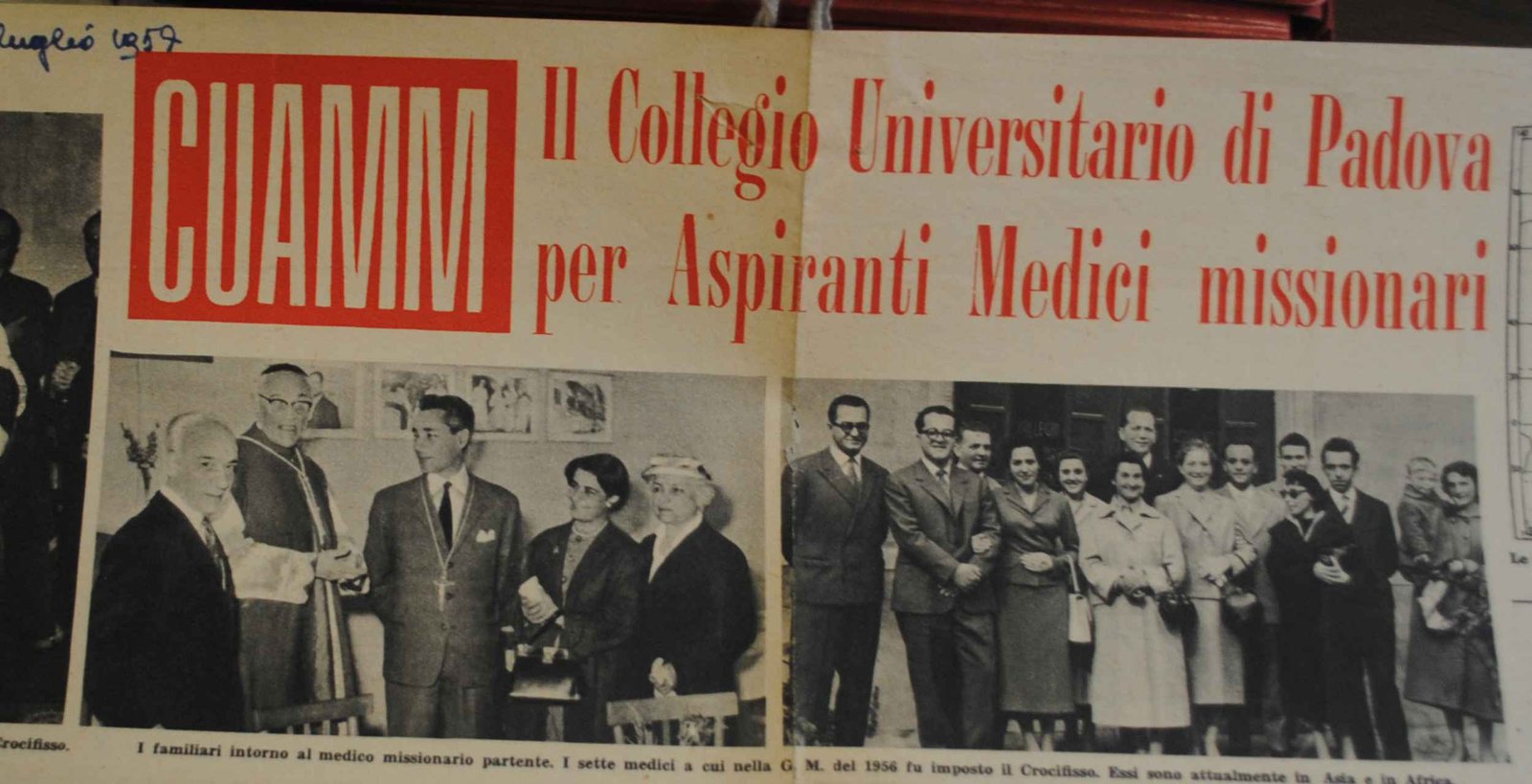
The journey of Doctors with Africa CUAMM began in Padua in 1950, with the founding of the University College for Aspirant and Missionary Doctors. From the very beginning, the goal has been to train doctors and healthcare professionals ready to put their skills at the service of African populations, working in close partnership with local communities.
1954
The first steps
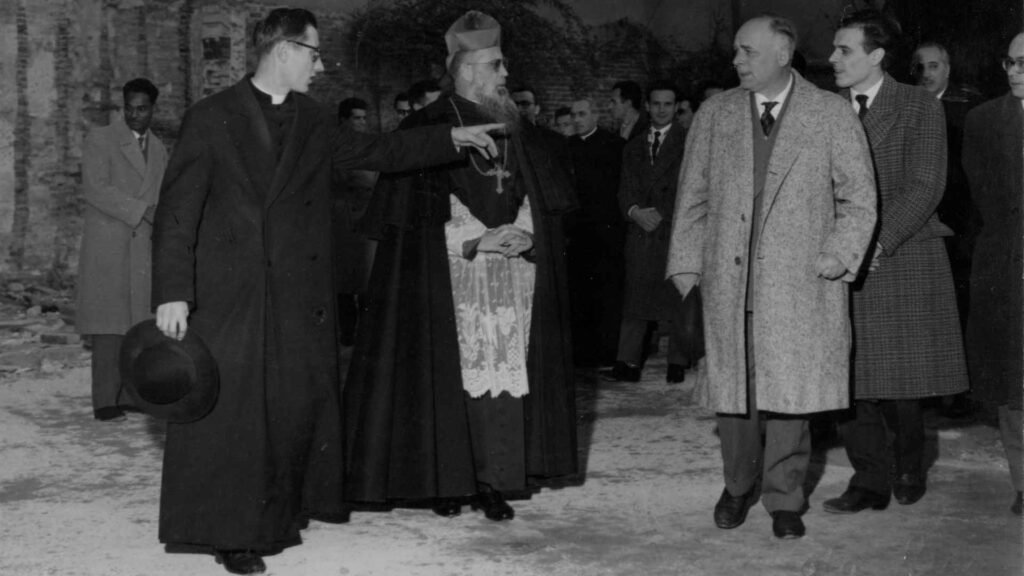
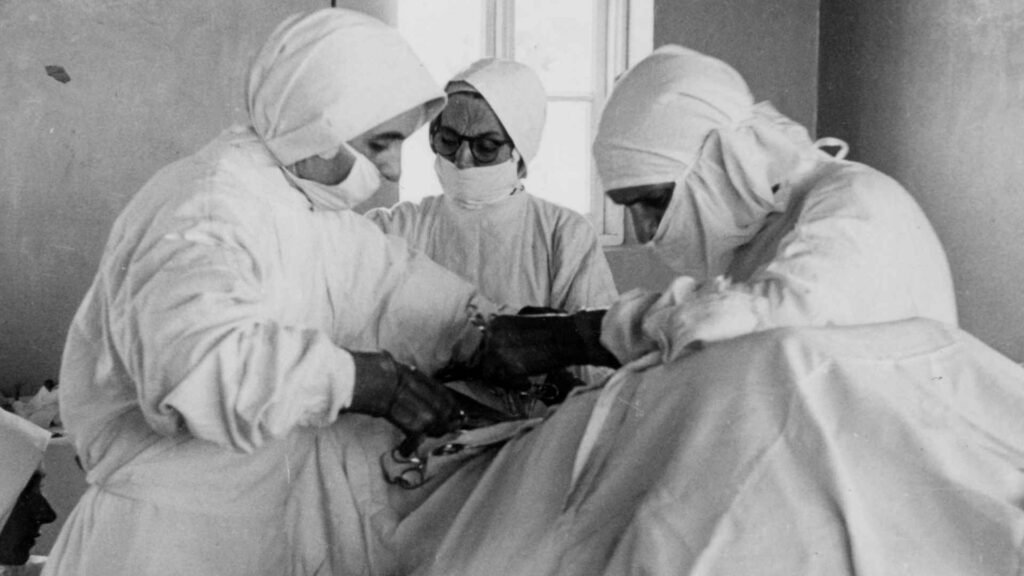
Between 1954 and 1960, the first 54 doctors—48 men and 6 women—departed for Africa, mainly to countries still under colonial rule, to work in mission hospitals alongside local communities.
The first was Professor Anacleto Dal Lago, who in 1955 worked at the mission hospital in Nkubu, Kenya. After him, thousands of professionals would follow the same path, bringing expertise and solidarity to many parts of the African continent.
1968
The Nyeri turning point
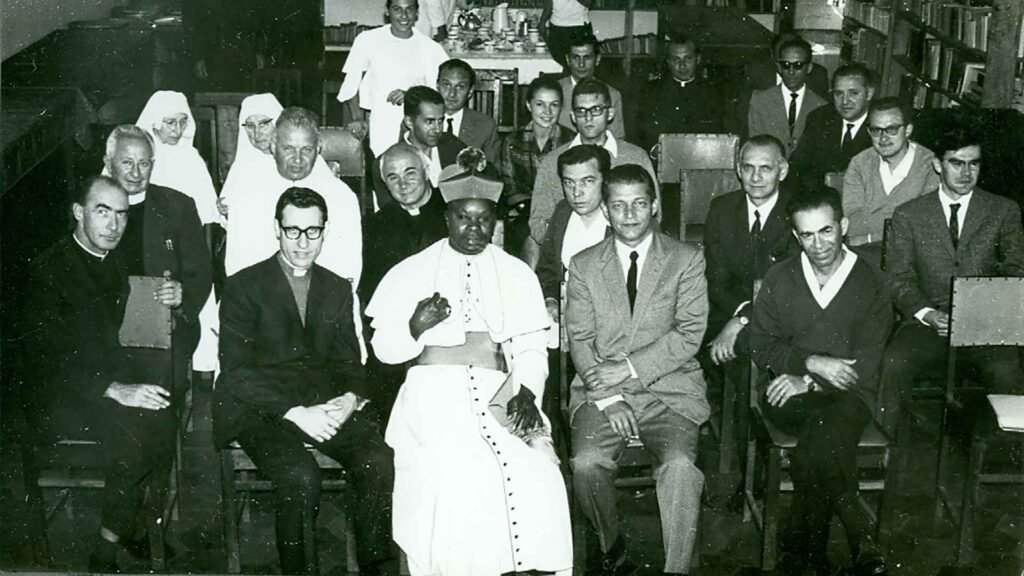
1968 marked a decisive moment: during the Nyeri conference in Kenya, CUAMM doctors called for the integration of mission-based facilities with public health systems and for coordination with African governments’ health plans.
This was a crucial step to ensure access to healthcare for the poorest populations: hospital care was complemented by prevention and primary care, laying the foundations for a new model of health cooperation based on partnership, training, and the strengthening of local health systems.
1972
The first health NGO in Italy
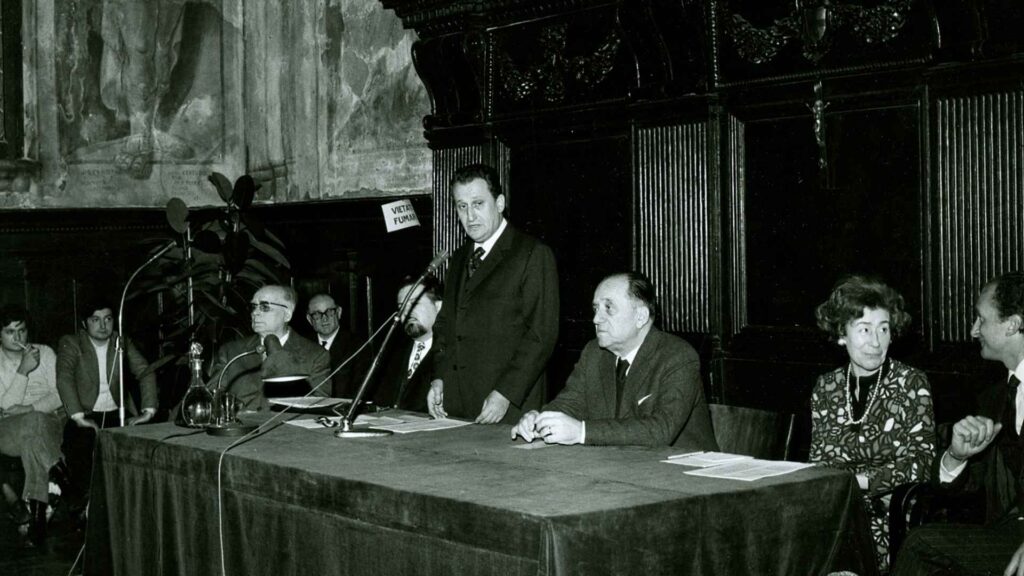
Cuamm is the first health NGO officially recognized in Italy under the new cooperation law (1222/1971).
1978-1979
The first country programmes
The first government-inspired country programmes were launched in Tanzania (1977), Mozambique (1978) and Uganda (1979), based on bilateral agreements between Italy and the governments of the respective African countries.

1982
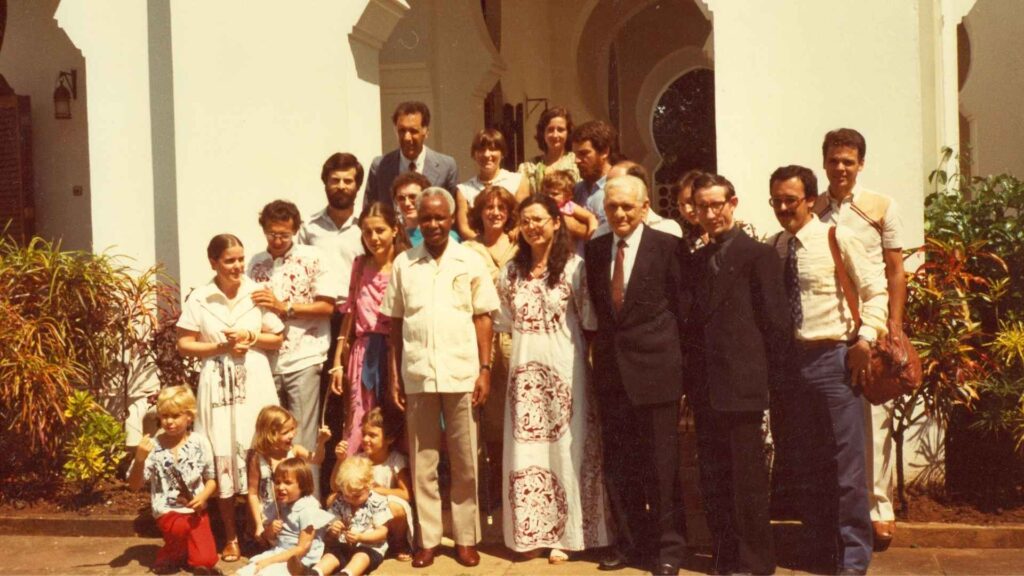
Nyerere meets CUAMM doctors
1994
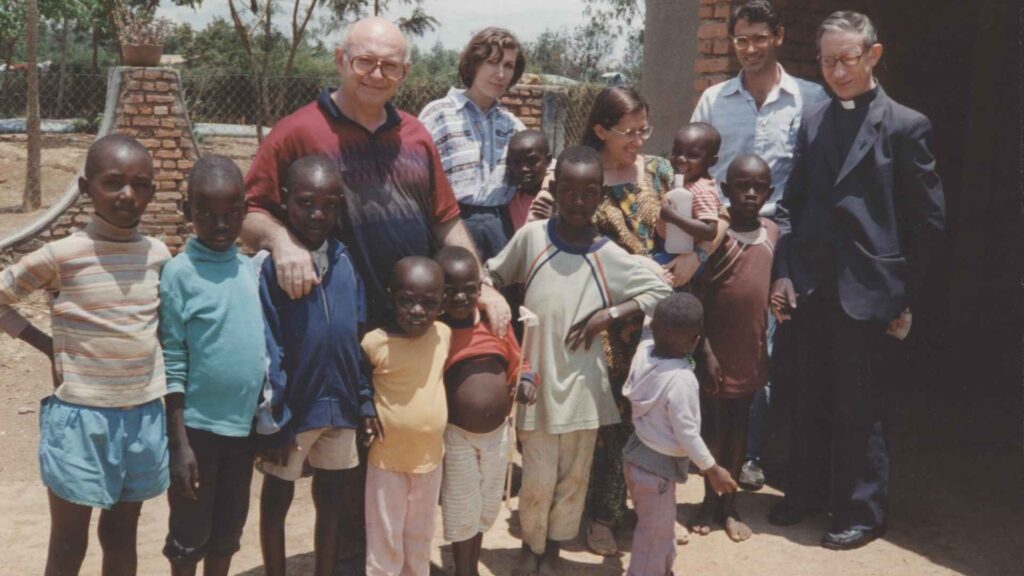
Aid in Rwanda
1997
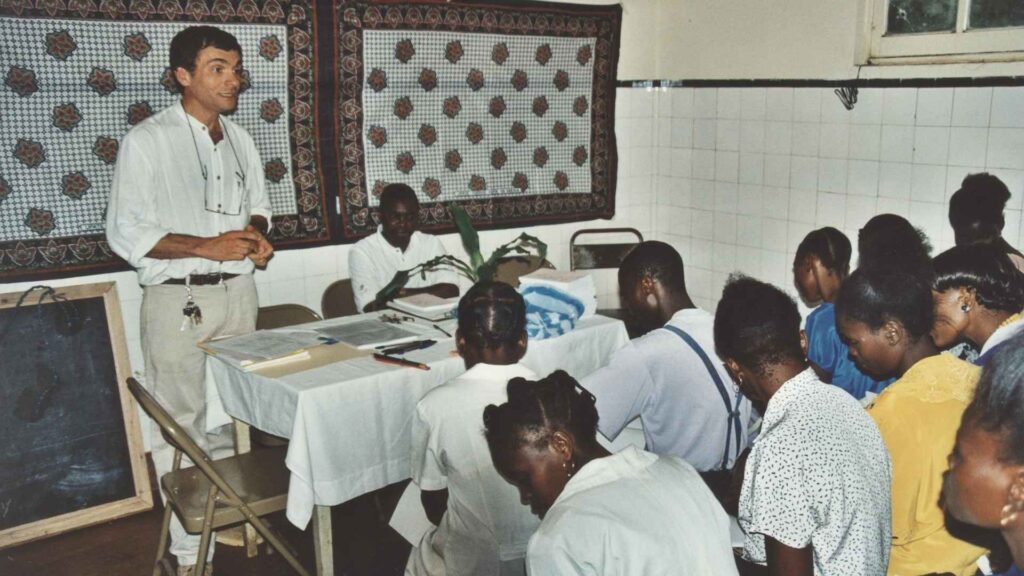
The intervention in Angola begins
2000
The inauguration of the Wolisso Hospital

2005
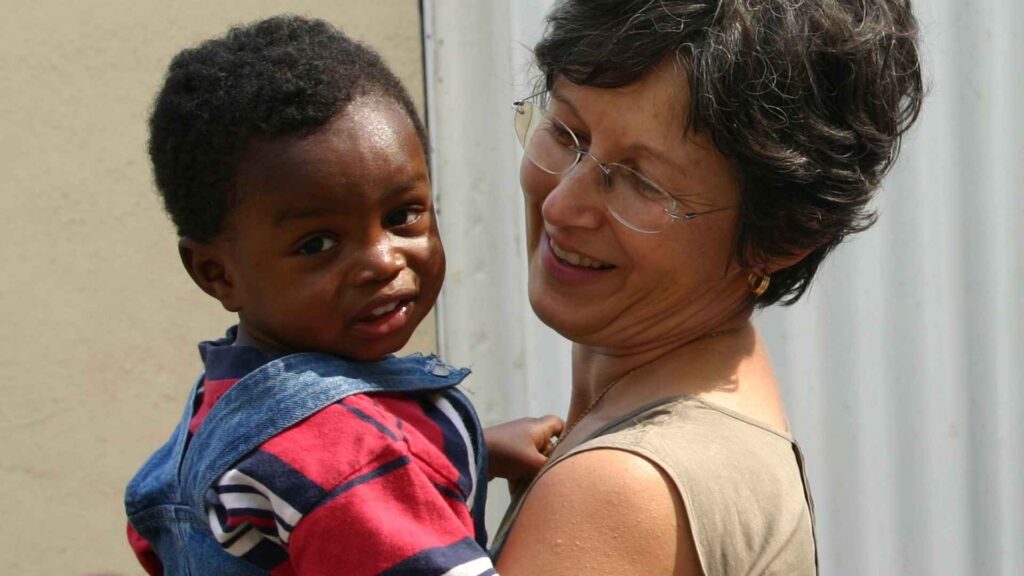
Maria Bonino loses her life in Angola
2006
CUAMM in South Sudan

2007
The first doctors graduate in Beira

2008
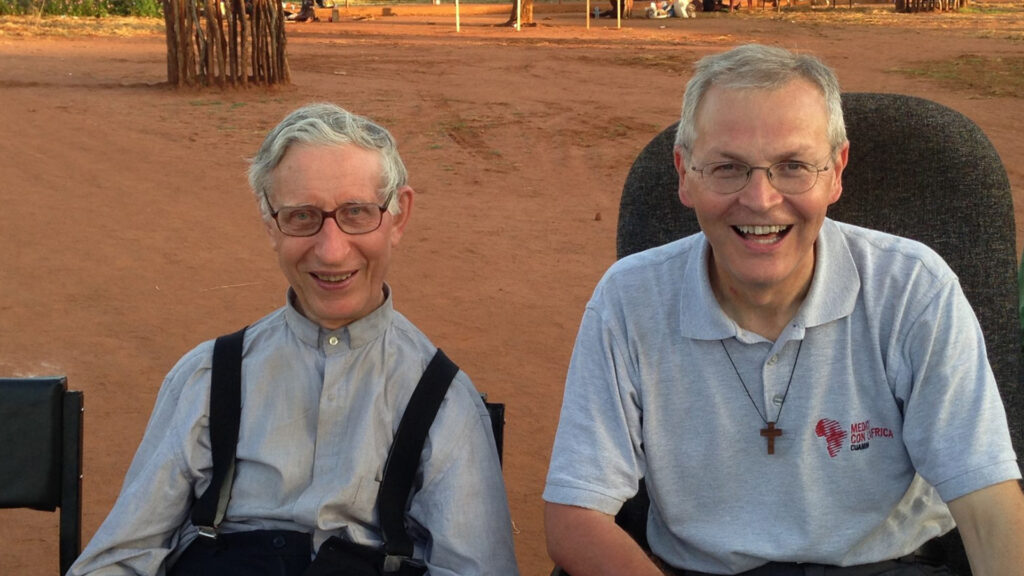
From Don Luigi Mazzucato to Don Dante Carraro
2012-2023
The latest countries opened

2023 and beyond
A mission that continues