
IN THE FIELD
In Pujehun, caring for children with sickle cell disease
Africa, Sierra Leone
Chronic diseases
For mothers and children
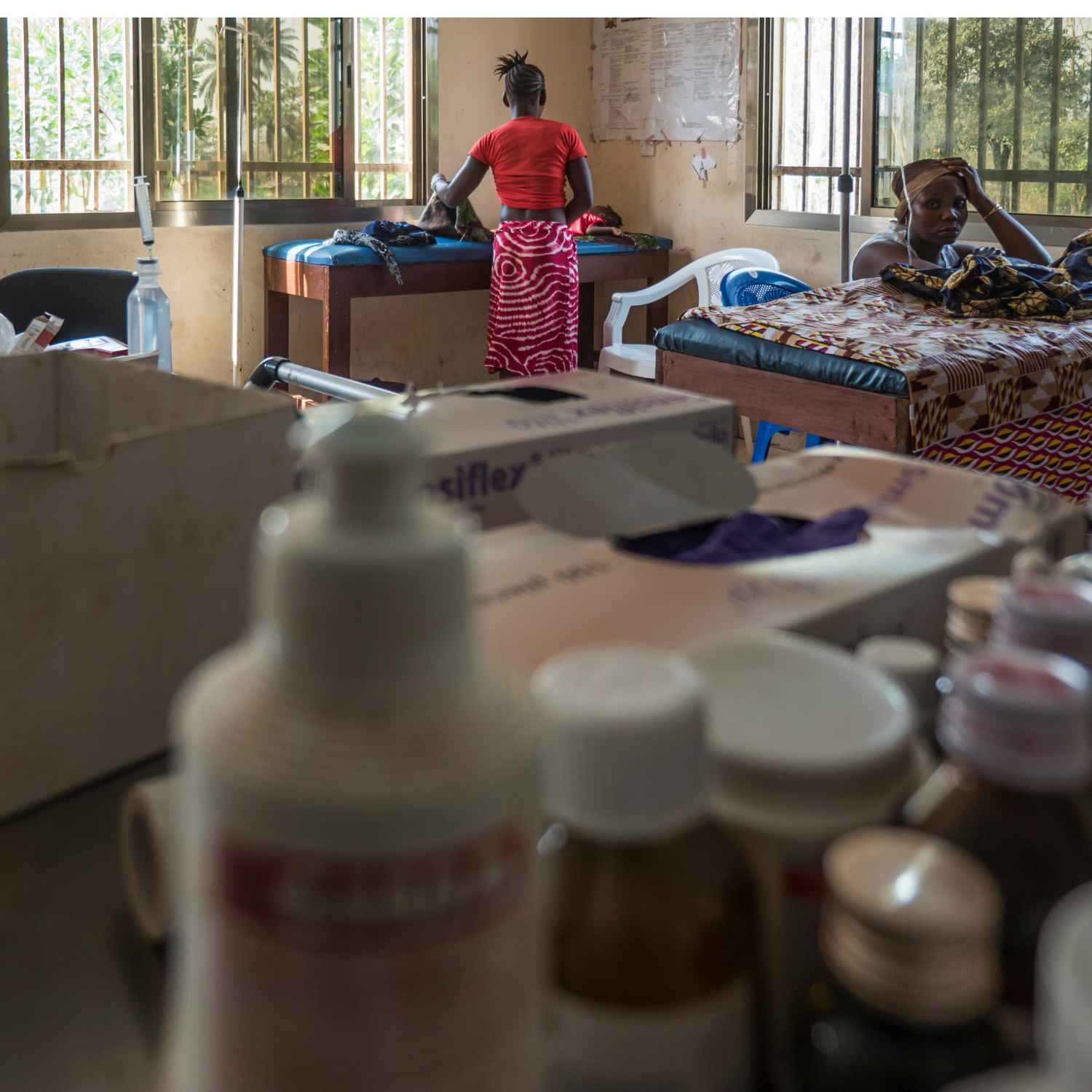
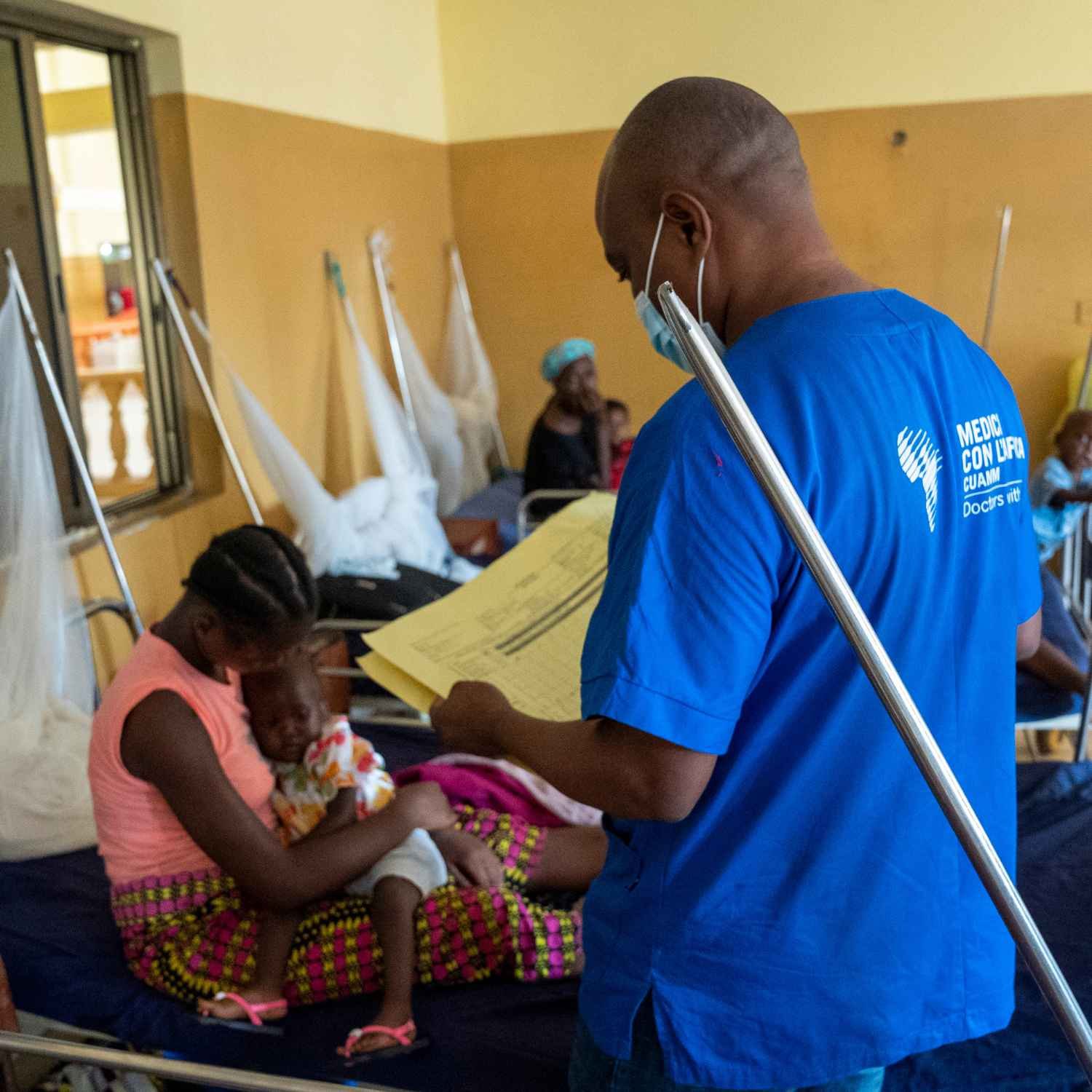
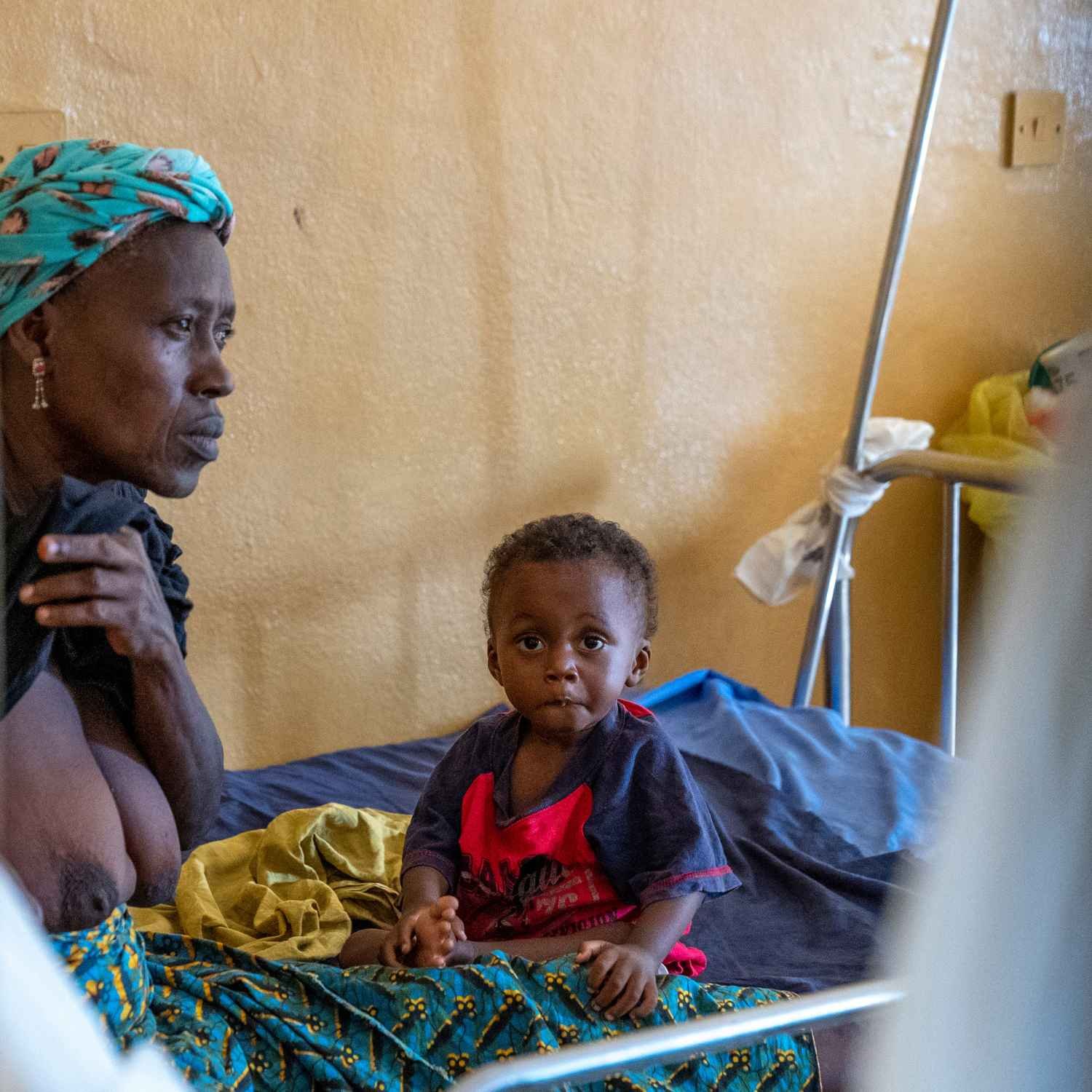
Sickle cell disease is a genetic condition that typically begins to manifest around the first year of life and is associated with high mortality. It is characterized by an abnormal shape of red blood cells, leading to chronic anemia and, as a consequence, a higher risk of infectious diseases. In Pujehun, in southern Sierra Leone, we have established a clinic to treat children with sickle cell disease and people affected by other non-communicable chronic diseases (NCDs).
We began our work at Pujehun Hospital in 2012, starting with the maternity ward. We have overcome the devastating Ebola outbreak and continue to support the population in this district, where the health system remains extremely fragile. Over time, our work has expanded, and in 2022 we opened a clinic for NCDs. It is here that children affected by sickle cell disease receive treatment and care. Currently, 215 patients are being treated with hydroxyurea, a chemotherapy drug that helps manage the disease.
In Pujehun, we work to make healthcare more accessible for these “special” young patients.
-
 CUAMM helps provide funding for the purchase of essential drugs and laboratory reagents.
 -
 The intervention strengthens pediatric healthcare services, including case identification in villages located far from the hospital.
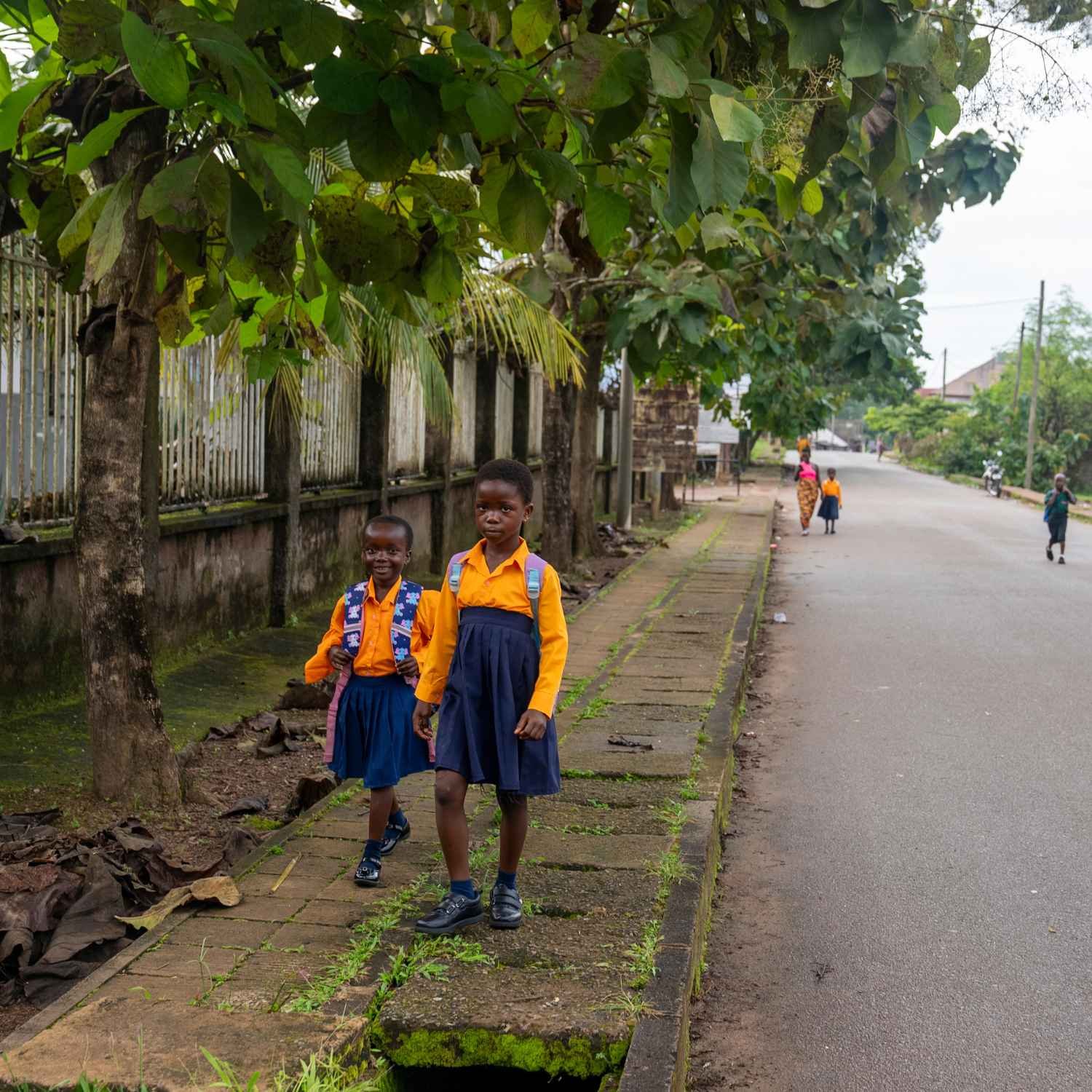
A one-month treatment with hydroxyurea costs €12.60—an amount that is unaffordable for many families in Sierra Leone. To offer hope and a future to these 215 children, and to those who will be diagnosed in the future, medicines and skilled, motivated healthcare staff are needed.